




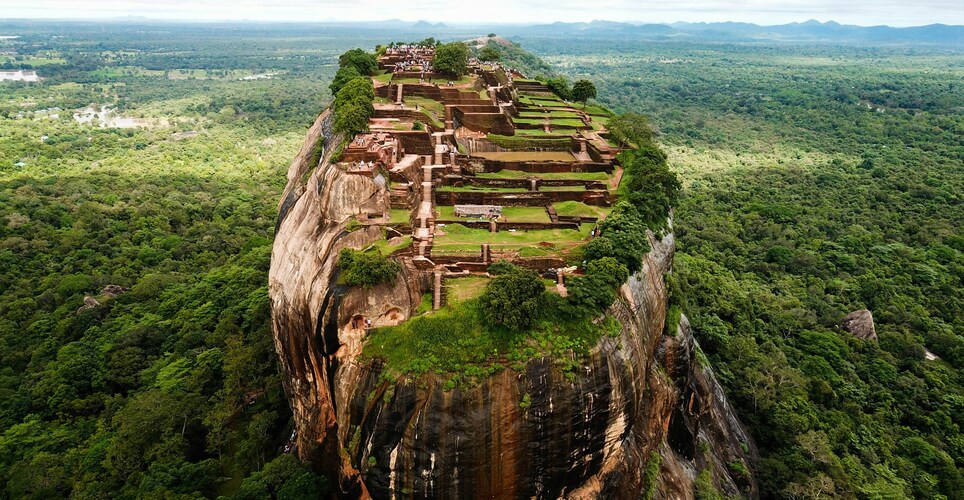
Sigiriya Overview
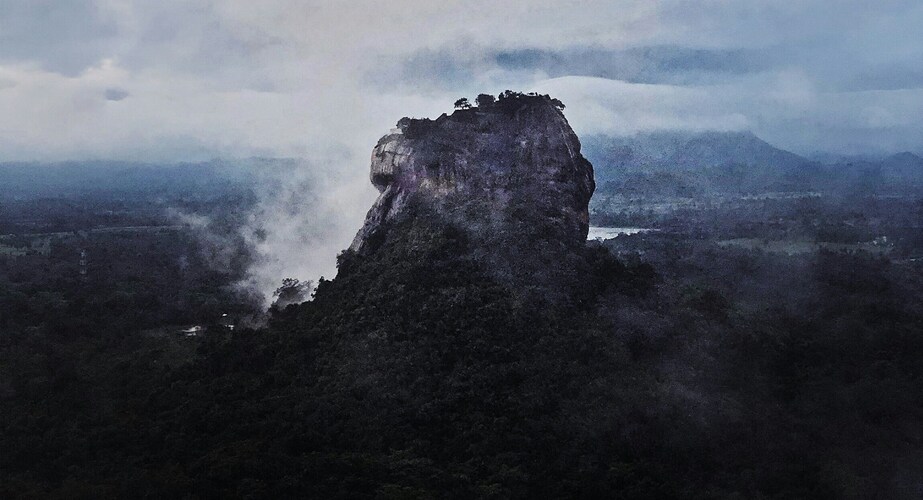
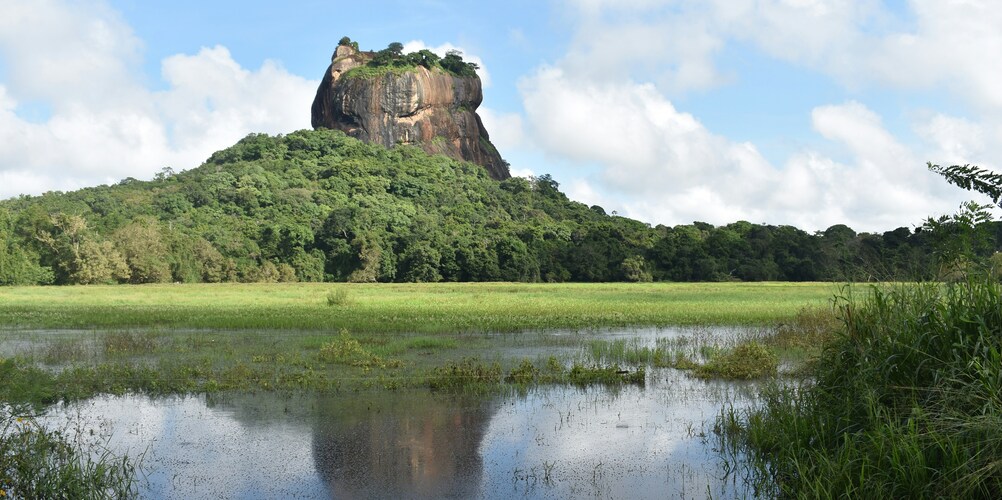
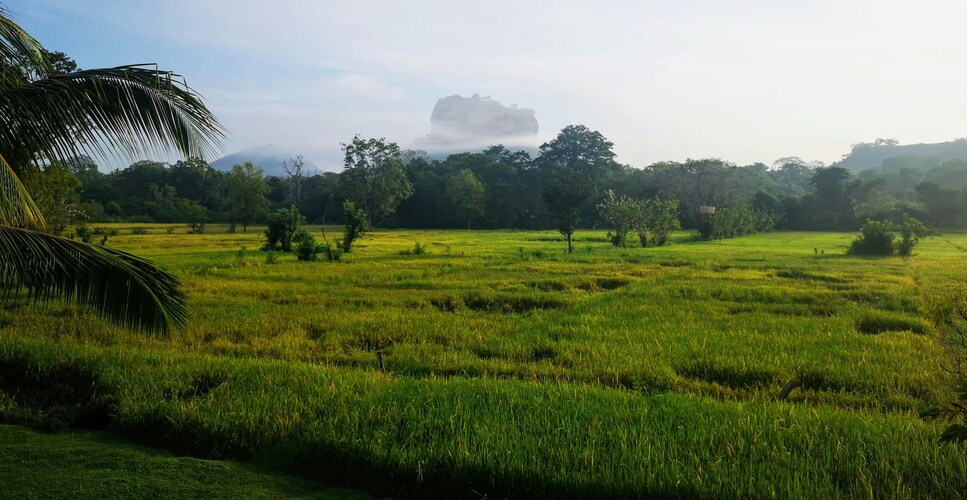
Sigiriya, also known as the Lion Rock, is one of Sri Lanka's most iconic and breathtaking archaeological sites. This ancient rock fortress, located in the Matale District, rises dramatically 200 meters above the surrounding plains and stands as a testament to the ingenuity and artistic achievement of ancient Sinhalese civilization. Designated as a UNESCO World Heritage Site, Sigiriya is considered one of the world's most important urban planning sites and attracts thousands of visitors each year.
The site dates back to the 5th century AD when King Kassapa I built his palace on top of this massive rock. The name "Sigiriya" comes from "Sihagiri," meaning "Lion Rock," referring to the massive lion sculpture that once guarded the entrance to the palace. Although only the paws of the lion remain today, they still convey the grandeur of the original structure. The climb to the summit involves navigating through beautifully preserved frescoes, known as the Sigiriya Damsels, which are considered masterpieces of ancient Sinhalese art.
Sigiriya is not just a historical monument but also a marvel of ancient engineering. The site features sophisticated water gardens, terraced gardens, and a complex irrigation system that demonstrates advanced hydraulic technology. The Mirror Wall, once polished to a mirror-like finish, contains ancient graffiti from visitors over the centuries, providing insights into the site's historical significance. Today, Sigiriya stands as a symbol of Sri Lankan heritage, combining natural beauty with architectural brilliance, making it a must-visit destination for anyone exploring the cultural triangle of Sri Lanka.
Destinations Features
- UNESCO World Heritage Site with ancient rock fortress
- Breathtaking frescoes and ancient art galleries
- Panoramic views from the summit
- Ancient water gardens and sophisticated irrigation systems